Aerospace design has always chased one hard idea: fit more strength, more safety, and more control into less space. High-density materials make that possible, and few of them work as well as tungsten. In today’s spacecraft and flight systems, where heat, radiation, and force all push at the same time, tungsten sheets keep things steady. They protect crews, shield electronics, and hold shape under stress. As a long-standing tungsten sheets supplier, we see how this metal has moved from niche use to a core aerospace material that engineers now depend on.
What Are High-Density Tungsten Sheets?
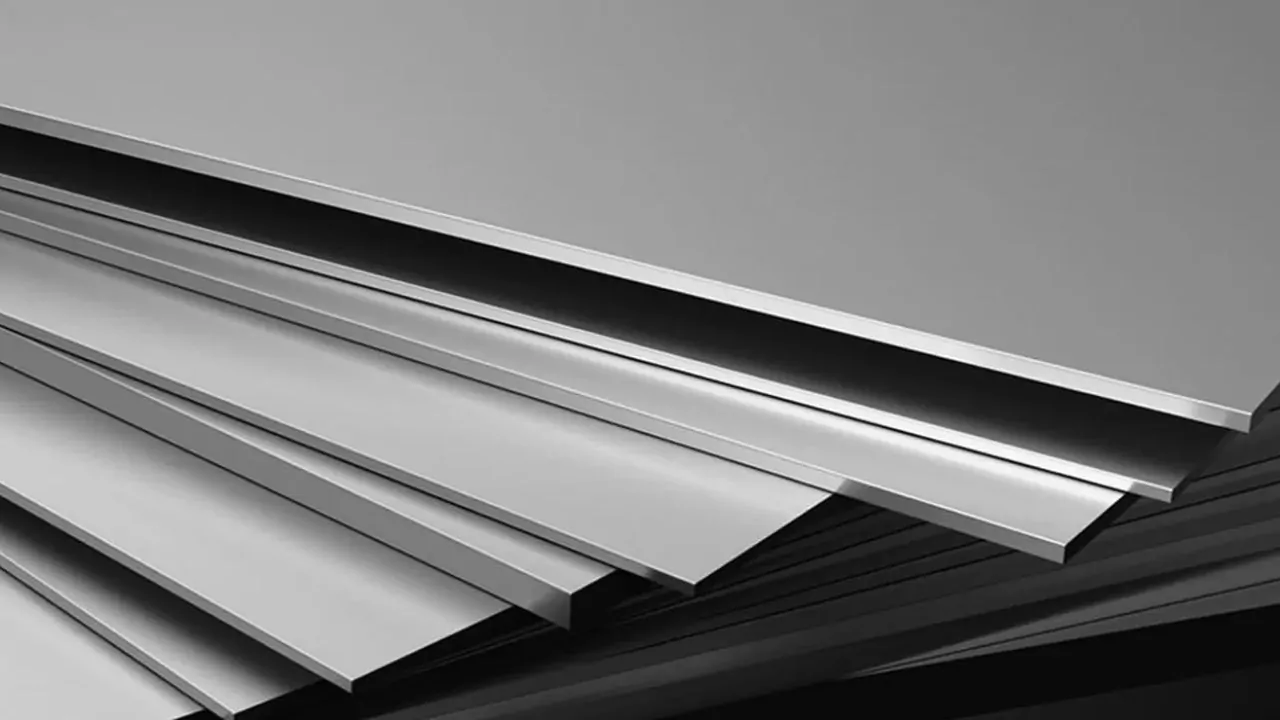
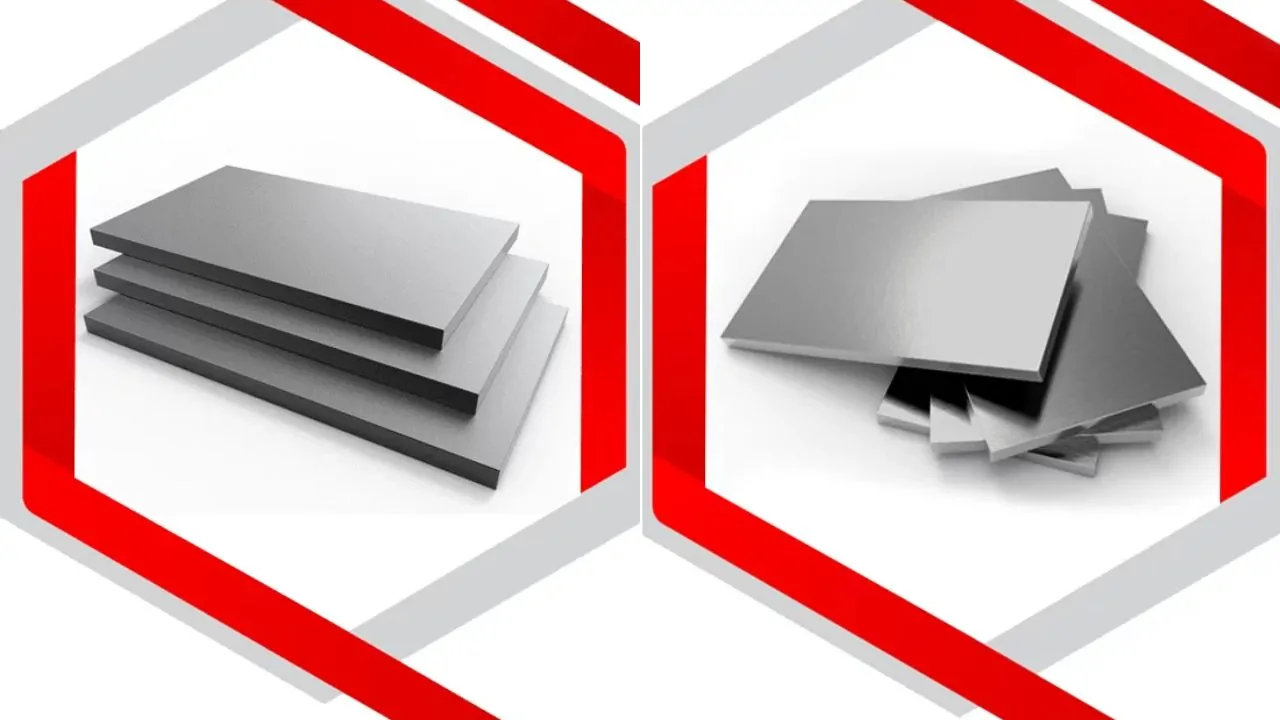
High-density tungsten sheets are flat-rolled forms of tungsten made for use where weight, heat, and radiation all matter at once. Tungsten has one of the highest densities of any metal used in industry. It also has an extreme melting point and a natural ability to block radiation. This combination changes how aerospace parts behave. Compared with aluminium or even steel, tungsten holds its form when temperatures rise and when energy levels spike. It does not soften or creep in ways that ruin alignment. These sheets bring strength and long-term shape control into thin sections, which is why designers now choose them for compact but heavy-duty aerospace builds.
Key Properties That Make Tungsten Ideal for Aerospace
- Density: Tungsten has a lot of mass in a small volume. In spacecraft design, that sounds odd at first, because weight is always watched. But high density lets engineers place balance weights, shields, and stabilising parts into tight spaces without spreading them across the structure to keep the craft stable and the load paths clean.
- Thermal resistance: Jet engines, rocket nozzles, and power units in space run very hot. Tungsten stays solid and keeps its stiffness far beyond the limits of steel. It does not warp when the heat keeps building. That helps parts keep their fit and keeps systems from drifting out of line over long runs.
- Radiation shielding: Space is filled with high-energy particles that damage electronics and, over time, people. Tungsten’s dense atomic structure blocks and absorbs this radiation better than lighter metals. Thin sheets can give strong shielding without consuming too much space, which matters in satellites and crewed vehicles.
- Corrosion resistance: Metals used in space and high-altitude flight are exposed to vacuum, fuel vapours, and sharp temperature swings. Tungsten does not react much with these conditions. It stays clean and stable, even when other materials start to pit or flake.
It also works well next to other aerospace materials. Tungsten sheets can be bonded, brazed, or fixed with advanced alloys, which makes them easy to build into modern hybrid structures.
Applications of High-Density Tungsten Sheets in Aerospace
One of the main uses is spacecraft and satellite shielding. Sensitive electronics run every mission, and a small hit from radiation can ruin years of work. Tungsten sheets sit around these systems and block much of that incoming energy. They do not take up much room, so designers can still keep payloads compact.
Engines and thermal systems also rely on tungsten. Parts that face direct heat, such as liners and heat spreaders, use these sheets to pull heat away or to survive in zones where other metals fail. They help keep engines running within safe limits, even during long burns.
Hypersonic vehicles push this even further. At those speeds, air turns hot enough to melt normal alloys. Tungsten sheets act as skins, barriers, and inner layers that stop heat from tearing the craft apart. The metal’s strength stays steady when everything else starts to soften.
Deep-space missions are now using tungsten more often. Long travel times mean more radiation and more heat cycles. Designers are building tungsten into frames, shields, and balance systems to keep these craft stable for years.
Advantages Over Traditional Aerospace Materials
Aluminium and steel have served aerospace well, yet they struggle when the conditions grow extreme. Tungsten does not. It holds its strength when temperatures climb, and pressure does not squeeze it out of shape. That leads to longer service life. Parts made with tungsten sheets need less maintenance.
Safety improves too. When structures stay solid and shields keep radiation away, crews and systems both get more room to work without fear. Reliability rises, and that matters in a field where repairs are not easy.
The weight-to-strength balance also changes. Tungsten is heavy, yes, but it delivers more strength and shielding per unit of space. That lets engineers remove other bulky layers and still come out ahead. In many designs, the total system ends up lighter and far more capable than one built from aluminium or steel alone.
Challenges and Considerations
Tungsten is not simple to work with. These sheets are made using specialised rolling and sintering methods, which adds to the cost. Since the metal is very hard, machining can also become difficult. To integrate these sheets into aerospace systems, you need to handle them carefully. Supply chains must be steady too, because quality matters a lot here. For projects that need tight tolerances and clean material, the choice of a reliable stockist becomes part of the design itself.
Conclusion
High-density tungsten sheets are important components of many advanced aerospace systems. They bring strength, heat control, and radiation protection into places where other metals fail. From satellites to hypersonic craft, they keep missions safe and on track. As one of the leading tungsten sheets suppliers, we at Special Metals see how this demand keeps growing. Our role as a trusted stockist in India is to keep these materials ready for engineers who shape the future of flight. Tungsten is no longer a rare choice. It is a smart one.