Choosing the right stainless chain is not a small decision. The chain you select affects safety, daily performance, and how long your equipment lasts. A poor choice can lead to early wear, sudden failure, or costly downtime. That is why understanding chain grades, load limits, and usage conditions matters. Stainless steel chains are trusted across many industries because they handle tough environments without losing strength. Still, not all chains perform the same way. This article explains how to select the best option for your task. It will cover over chain basics, critical selection criteria, common types, and maintenance advice. For better long-term results and less risk, you will also learn how expert stainless steel chain suppliers help match the right chain to the right project.
What Is a Stainless Steel Chain?
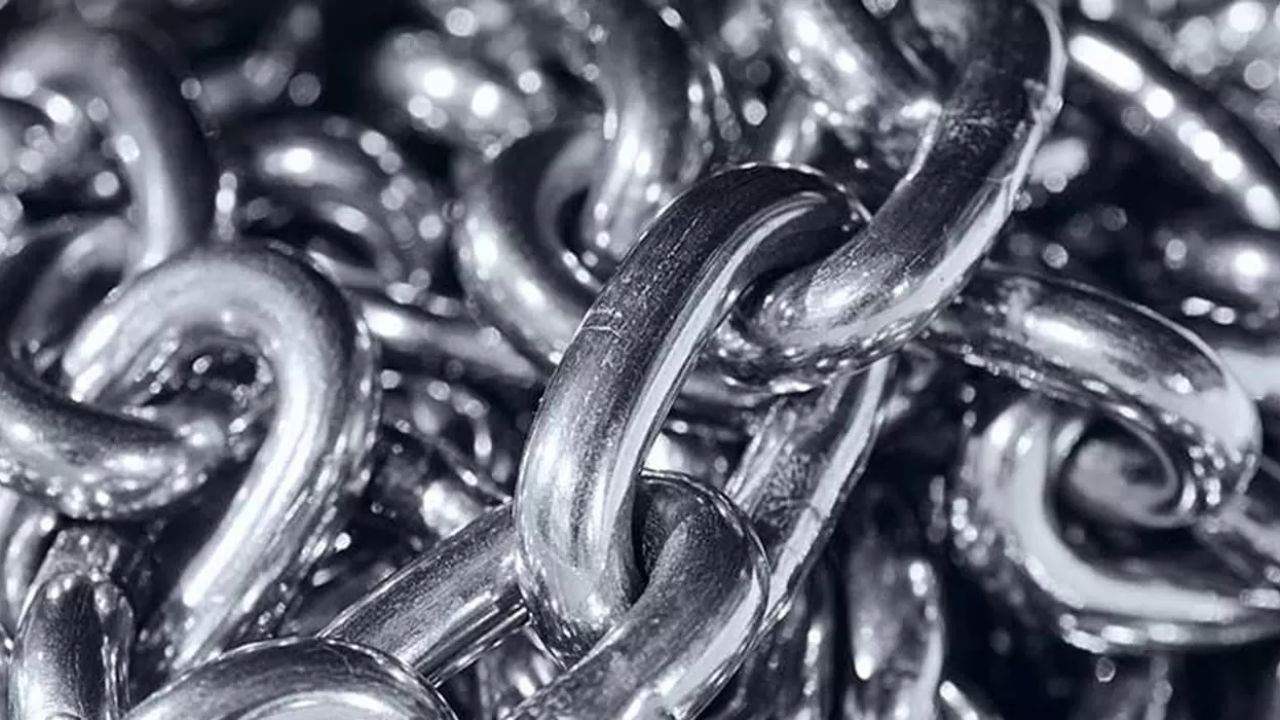
A stainless steel chain is composed of steel alloyed with chromium and other metals. This mixture helps to prevent corrosion and surface damage. The chain is manufactured from linked metal loops that have been bent and soldered to provide strength. Stainless steel is significantly better at handling moisture, chemicals, and heat than carbon steel. It does not require thick coatings to be protected. Stainless steel chains maintain their strength over time, even in harsh environments. High corrosion resistance, tensile strength, and load stability are all important features. These features make stainless chains suitable for both indoor and outdoor application, where failure is not an option.
Key Factors to Consider When Choosing a Stainless Chain
Understanding how to use the chain is the first step in choosing the proper one. A few basic checks can help to avoid severe problems later.
- Load capacity and working load limit (WLL): Always check the maximum weight a chain can safely handle. Never exceed the WLL, as doing so can stretch the links or cause a sudden break.
- Environmental exposure: Think about where the chain will live. If it sits in salt water or faces harsh acids, you need a high-grade alloy to prevent pitting.
- Application type: A chain used for overhead lifting requires different safety certifications than one used for decorative fences or basic securing.
- Chain size, pitch, and design: The thickness of the wire and the length of the links must match your pulleys or gears to ensure smooth movement.
- Compliance with safety and quality standards: Ensure the chain meets industry benchmarks like NACM or ISO to guarantee the metal is up to the task.
Types of Stainless Steel Chains & Their Applications
Stainless chains come in several grades and styles. Each suits a specific type of work.
- 304 stainless steel chains – general-purpose use: A 304 stainless chain works well in clean and mildly corrosive settings. It is common in food handling, indoor lifting, and light industrial use. It balances strength, cost, and corrosion resistance.
- 316 stainless steel chains – marine and chemical environments: A 316 stainless chain contains added molybdenum for better corrosion protection. It performs well in saltwater, coastal areas, and chemical plants. This grade is ideal where rust prevention is critical.
- Roller chains – power transmission and machinery: Roller chains transfer motion between shafts and motors. They are widely used in conveyors and machines. Stainless versions resist moisture while keeping steady movement.
- Welded link chains – lifting and load-bearing applications: Welded link chains are built for strength and durability. They handle lifting, anchoring, and heavy loads. Proper welding ensures each link carries stress evenly.
Key Industries That Use Stainless Chains
Stainless steel chains support many sectors that depend on safe and steady operation.
- Construction and infrastructure: Chains are used on construction sites to lift, secure, and support materials. Stainless chains can withstand dust, rain and harsh handling. They also endure for more time and require less maintenance.
- Marine and offshore operations: Chains are exposed to salt water, and continual wetness. Stainless chains resist corrosion and remain reliable. They are used on docks, boats and offshore platforms.
- Food processing and pharmaceutical industries: Materials like stainless chains that do not corrode or get dirty are used in food processing and pharmaceutical industries, as they require clean surroundings. These materials are safe to wash down many times and easy to clean.
- Automotive and manufacturing: Factories rely on chains for conveyors and assembly lines. Stainless chains handle heat, oils and frequent motion. This keeps production running without frequent stops.
Benefits of Using Stainless Steel Chains
Investing in quality stainless steel pays off through reliability and lower long-term costs.
- Corrosion and rust resistance: The primary perk is that these chains don’t flake or weaken when they get wet or encounter harsh cleaners.
- Long service life: Because they resist wear and environmental damage, you won’t have to replace them nearly as often as galvanized or carbon steel options.
- Low maintenance requirements: There is no need to apply heavy grease or anti-rust coatings constantly. A simple rinse is usually enough to keep them in shape.
- Strength and reliability: These chains are rust-proof and have a high strength, which means it is reliable for heavy objects.
Common Mistakes to Avoid When Selecting Stainless Chains
Avoiding these simple errors can save you a lot of money and prevent dangerous accidents.
- Choosing the wrong material grade: Using 304 in a saltwater environment is a mistake. The chain will likely develop tea-staining and rust spots within months.
- Ignoring load ratings: Just because a chain appears thick does not imply that it can support a ton. Always check the stamped rating on the links.
- Overlooking environmental conditions: High temperatures or extreme cold may affect how metal reacts. Check that your chain grade is rated for your specific temperature range.
- Selecting based on price alone: Cheap chains can have faulty welds or impurities in the metal. Saving in certain amount of cash today could result in an expensive failure later.
Maintenance Tips for Long-Lasting Performance
A small amount of care can help your hardware work better, and last longer.
- Regular inspection: Check the chain often for stretched links, cracked welds, or deep marks. If any link looks bent or damaged, stop using the chain right away.
- Cleaning and lubrication: Even though it’s stainless, removing grit and salt buildup helps the links move freely. Use a light, food-grade lubricant if used in processing.
- Proper storage and handling: Keep your chains hung up or in dry bins. Avoid dragging them over abrasive concrete surfaces that can scratch the protective oxide layer.
Conclusion
Choosing the appropriate stainless chain requires clear thinking and detailed knowledge. Load restrictions, environment, chain design and material grade all have an impact. The right decision increases safety, efficiency, and equipment life. Incorrect decisions cause harm, and downtime. Working with reputable stainless steel chain suppliers makes it easier to select the right product. Among these, Special Metals stands out for its quality, direction and consistent supply. Their product line includes both 304 and 316 stainless steel chain alternatives to meet various purposes. With the right supplier and chain, performance lasts for years.