Choosing the right metal plate is a big decision. Whether you are building an airplane or helping a bone heal, the material matters. The wrong choice can lead to equipment failure or health issues. Engineers and doctors must look at strength, weight, and how the metal reacts to the environment. This guide compares three popular choices: Nitinol, Titanium, and Stainless Steel. We will look at what makes each one special and where they work best. If you need specific advice on sourcing, a Nitinol Plate Supplier can provide detailed technical data for your project.
What Are Nitinol, Titanium, and Stainless Steel Plates?
A Nitinol plate is a mix of nickel and titanium. It is famous for “remembering” its shape. If you bend it, it can pop back to its original form. This makes it a top choice for flexible medical tools.
A Titanium plate is known for being very strong but very light. It is one of the most biocompatible metals. This means the human body usually accepts it without a fight. It is a staple in both hospitals and aerospace hangars.
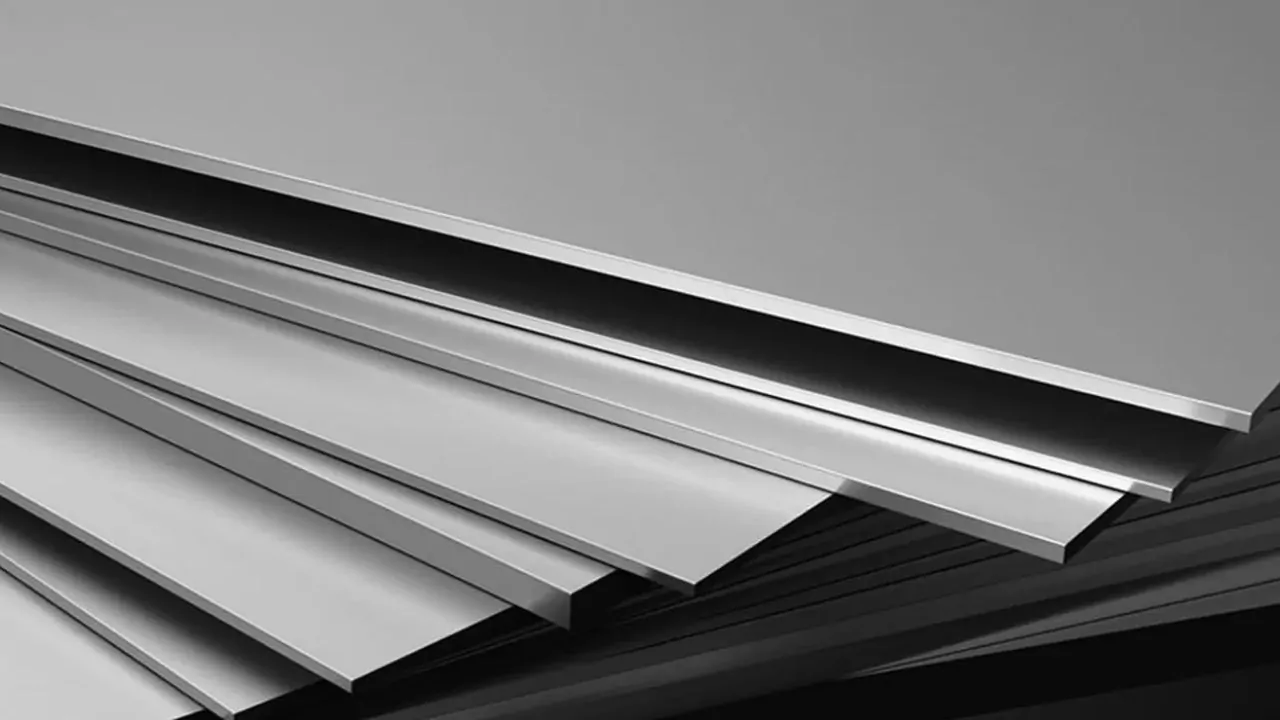
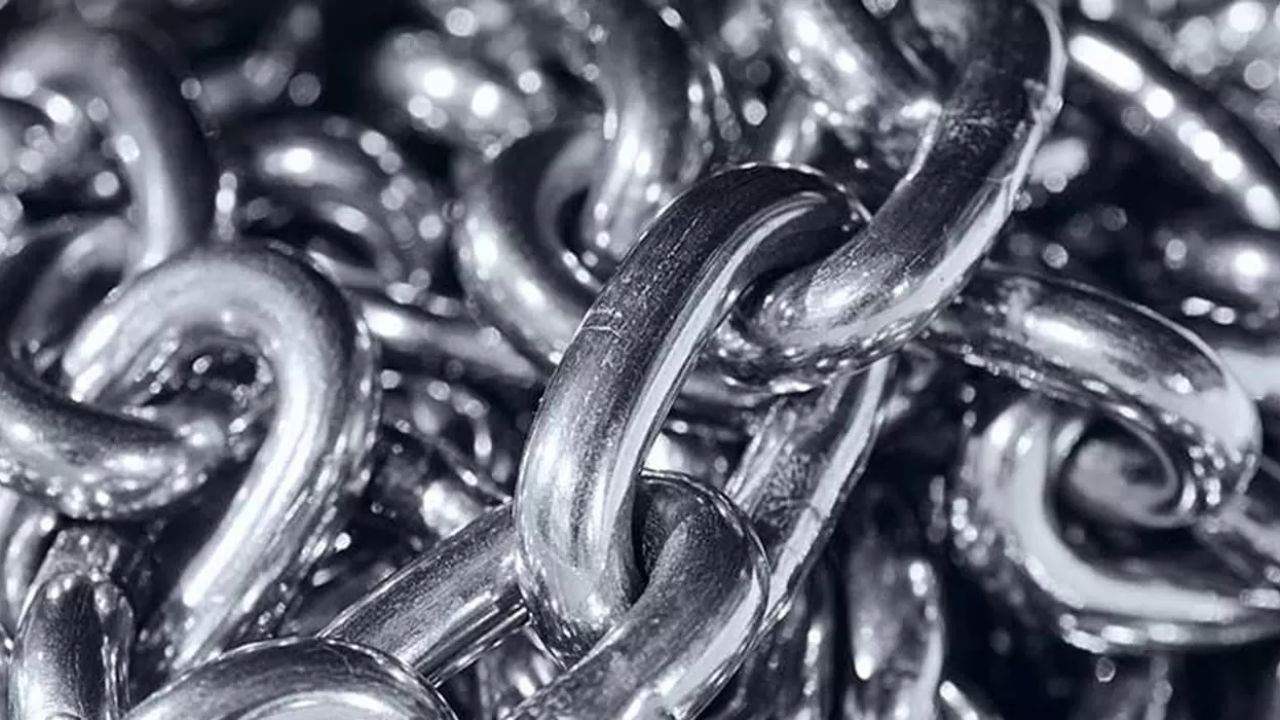
A Stainless steel plate is an iron alloy. It is the workhorse of the industry. It is strong, easy to find, and cheaper than the others. While it is heavier, its reliability makes it the standard for heavy-duty structural work.
Key Factors to Consider When Choosing a Plate
Mechanical Strength and Fatigue Resistance
Strength is how much load a plate can take before it breaks. Stainless steel is very tough and resists denting. Titanium is also strong but much lighter. Nitinol is different; it handles repeated bending better than almost any other metal. This is called fatigue resistance.
Elasticity and Shape Memory
This is where Nitinol shines. Most metals stay bent if you apply enough force. Nitinol can stretch and snap back like a rubber band. It can also change shape when heated. Titanium and steel are rigid and do not have this “memory.”
Corrosion and Biocompatibility
If a plate is going inside a human body or a salty ocean, it cannot rust. Titanium forms a protective layer that stops corrosion. Nitinol is also very resistant to fluids. Stainless steel is good, but it can corrode over long periods in harsh environments.
Weight and Density Considerations
Weight matters in planes and cars. Titanium is about half the weight of steel but just as strong. If your project needs to be light, titanium is the winner. Steel is heavy, which provides stability but adds bulk.
Cost and Availability
Stainless steel is the most budget-friendly option. It is made in huge amounts worldwide. Titanium and Nitinol are harder to process, making them more expensive. You must balance your budget against the performance you need.
Environmental Exposure
Think about where the plate will live. Will it be in high heat? Will it touch chemicals? Stainless steel works well in heat. Titanium handles salt water perfectly. Nitinol is best where constant movement or vibration occurs.
Comparison of Nitinol, Titanium, and Stainless Steel Plates
Nitinol plates offer “superelasticity.” They can handle extreme deformation without permanent damage. This makes them perfect for stents or flexible bone staples. They offer great corrosion resistance but come at a higher price point.
Titanium plates offer the best strength-to-weight ratio. They are the gold standard for permanent implants like hip joints. They don’t trigger allergies often and last for decades. They are harder to machine than steel.
Stainless steel plates are the go-to for cost-effective durability. They are easy to weld and shape. While they are heavier and less flexible, they provide the rigid support needed for heavy machinery or basic bone plates.
Quick Property Comparison
| Property | Nitinol | Titanium | Stainless Steel |
| Weight | Mid-range | Light | Heavy |
| Flexibility | Extremely High | Low | Moderate |
| Biocompatibility | Excellent | Superior | Good |
| Cost | High | High | Low |
| Main Feature | Shape Memory | Weight/Strength | Affordability |
Applications of Each Material
Choosing the right metal depends on where and how it will be used. Each of these materials fills a specific niche based on how they react to pressure, heat, and the human body.
Nitinol Plate Applications
Nitinol is the top choice for projects that require motion and flexibility. Because it can “remember” its shape, it is perfect for:
- Orthodontics: Braces use Nitinol wires to apply steady pressure as they move teeth.
- Stents: These tiny tubes are compressed to fit into an artery. Once inside, they pop open to their original shape to keep the vessel clear.
- Flexible Bone Staples: Surgeons use these to hold bones together. The metal exerts constant force to help the bone heal faster.
- Minimally Invasive Tools: Tools used in “keyhole” surgeries often use Nitinol so they can bend through tight spaces without breaking.
Titanium Plate Applications
Titanium is the preferred metal for permanent solutions. Its ability to bond with bone makes it essential for:
- Orthopedic Implants: This includes hip replacements, knee joints, and plates used to fix skull fractures.
- Dental Implants: Titanium screws act as artificial tooth roots because the jawbone grows directly onto the metal.
- Aerospace Parts: Jet engines and spacecraft frames use titanium because it stays strong even when it gets very hot.
- Chemical Processing: Because it does not rust easily, it is used in pipes and tanks that hold corrosive liquids.
Stainless Steel Plate Applications
Stainless steel is the reliable workhorse for general construction and short-term medical use. You will find it in:
- Temporary Fixation: Doctors often use steel plates for broken bones that will eventually have the hardware removed.
- Surgical Instruments: Most scalpels, forceps, and clamps are made of steel because they are easy to sterilize.
- Industrial Machinery: It is used for heavy-duty brackets, structural supports, and reinforcement in buildings.
- Food and Beverage: Since it is easy to clean and does not react with food, it is used for large storage vats and kitchen surfaces.
Common Mistakes to Avoid When Choosing Plates
Many people choose a material based only on the price tag. This is a mistake. A cheap steel plate might rust in a marine environment where titanium would have lasted years. Another error is ignoring “elastic modulus.” If a metal is too stiff for a bone, the bone can actually get weaker. You must match the metal’s flexibility to the surface it sits on. Always check the long-term fatigue life if the part will move constantly.
Maintenance and Handling Tips
Keep your plates in a dry, clean area. Even “stainless” steel can stain if it sits in dirty water. When handling Nitinol, be careful with temperature. Heat can trigger a shape change when you don’t want it. For medical plates, follow strict cleaning rules to avoid contamination. Check for scratches, as these can become “stress points” where the metal might crack later.
Conclusion
The best material depends on your specific goal. If you need a part that can bend and return to shape, go with Nitinol. If you need something very strong, light, and safe for the body, Titanium is king. For general building and cost savings, Stainless Steel is the top choice.
When looking for high-quality materials, search for a reliable Nitinol Plate Suppliers & Stockist In India. Special Metals is known as one of the best suppliers in the industry. They provide top-grade materials that meet strict safety standards. Choosing a trusted partner ensures your project stays strong and safe for years to come.