In the world of precision manufacturing, materials must behave predictably under heat. Kovar sheets are a specialized nickel-cobalt-iron alloy designed for one main purpose: matching the expansion of glass and ceramics. When temperatures rise or fall, most metals grow or shrink at rates that would crack a glass seal. Kovar is different. It moves in sync with hard glasses, making it a vital tool for creating airtight seals. If you need a reliable Kovar sheets supplier, the first thing you need to do is to understand how this material reacts to heat stress. This is the first step toward successful production in the medical, aerospace, and electronics industries.
What Are Kovar Sheets?
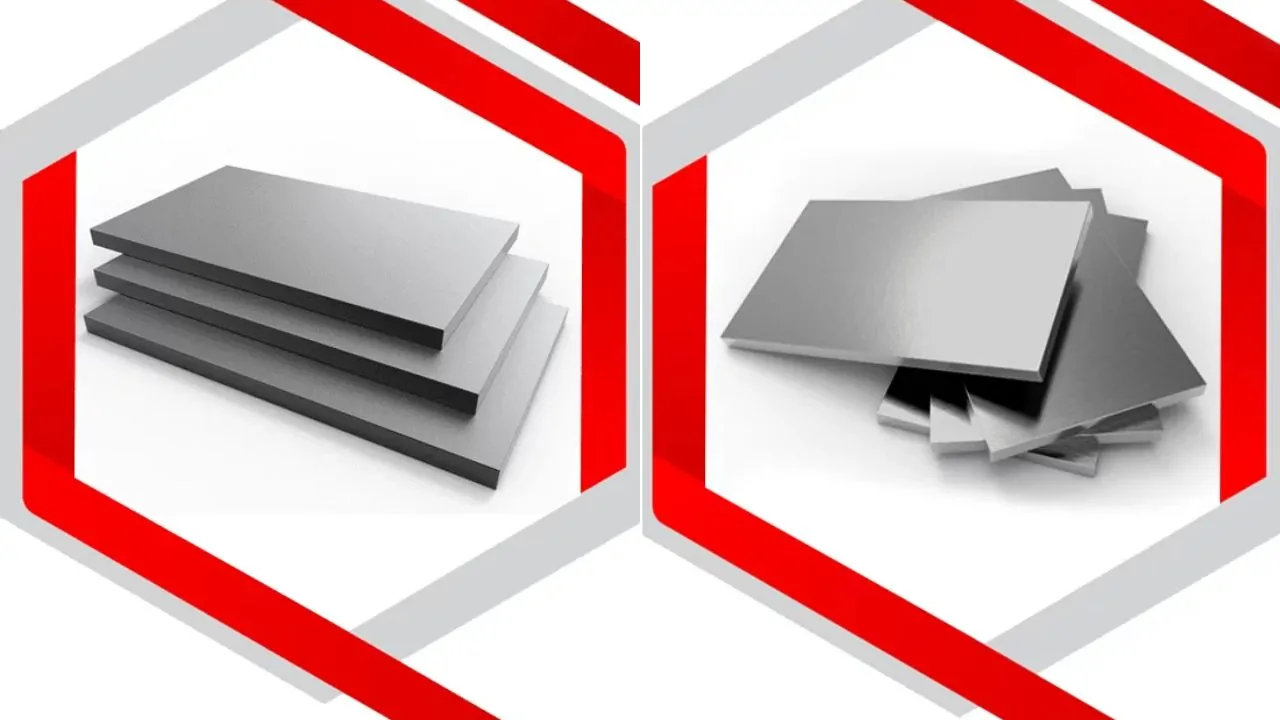
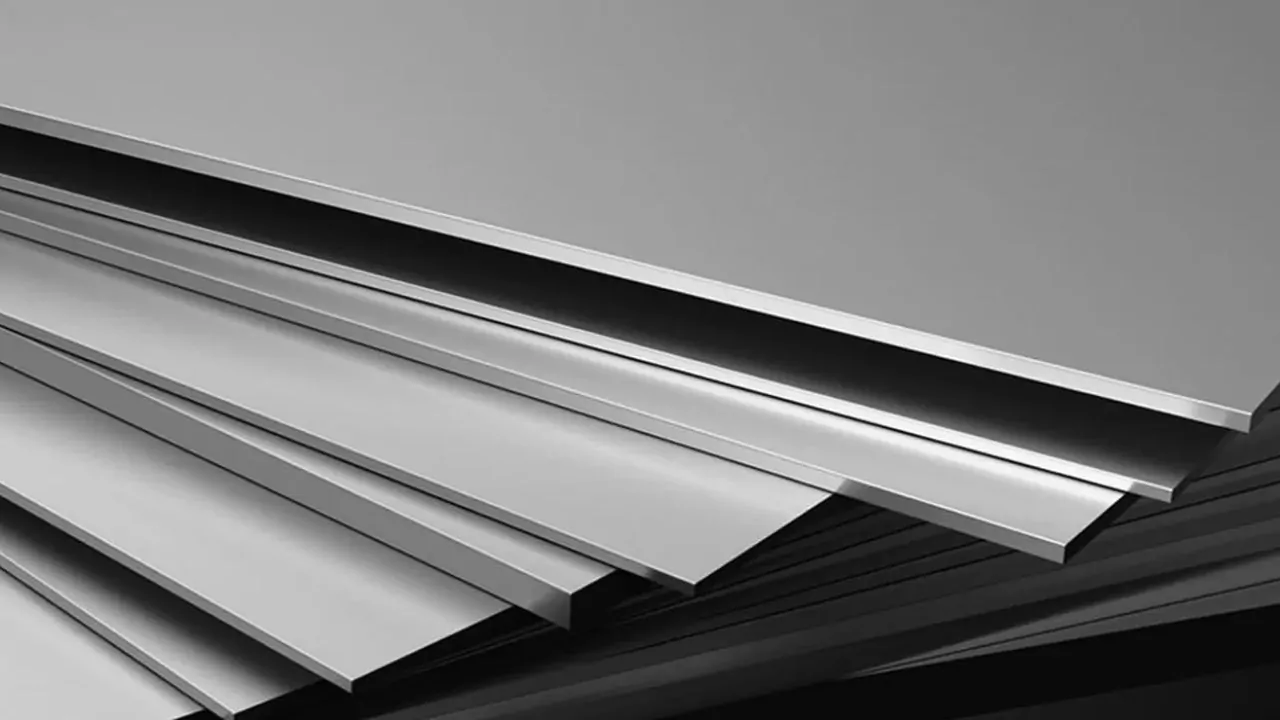
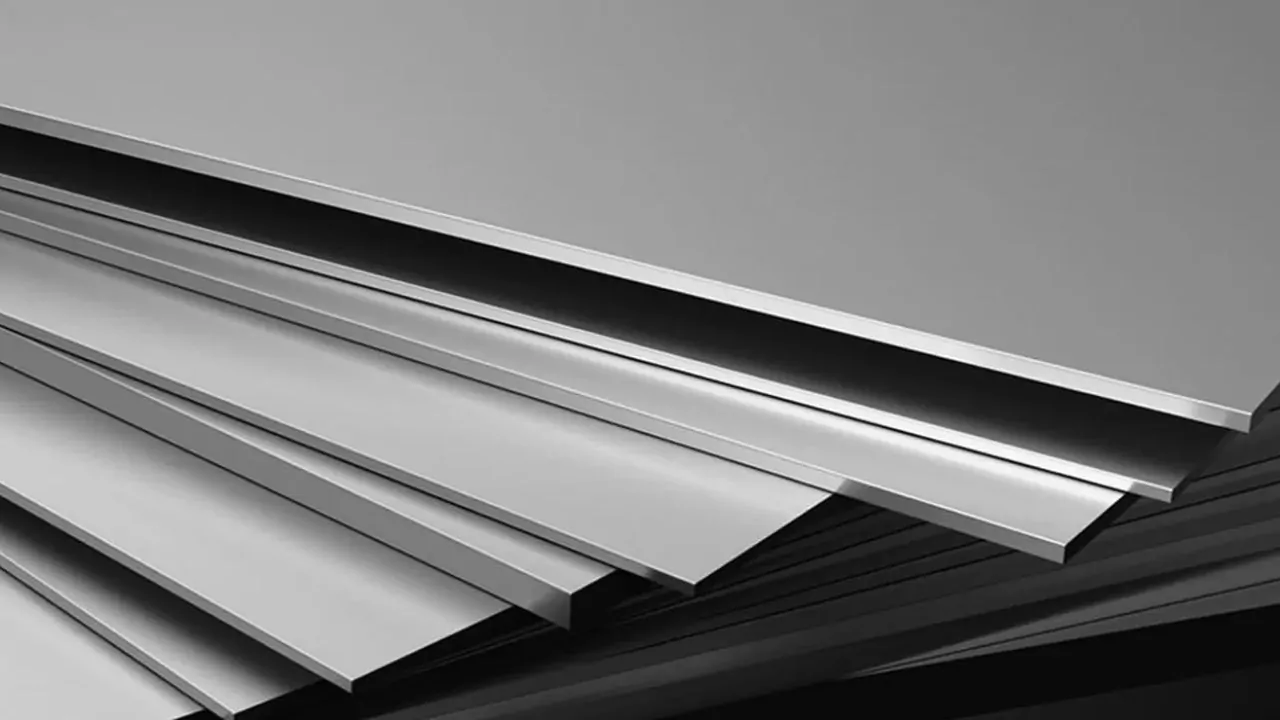
Kovar alloy sheets are a unique blend of metals engineered for stability. The name “Kovar” is a trademark that has become the standard term for this ASTM F15 alloy. Its fame comes from its ability to form a “hermetic” seal, which means it creates a joint so tight that no gas can pass through. This is essential for protecting sensitive electronics from the outside environment. You will usually find these sheets in various thicknesses, ranging from very thin foils to thicker plates used for heavy-duty structural housings.
Chemical Composition of Kovar Sheets
The magic of Kovar lies in its specific recipe. It contains about 29% nickel and 17% cobalt, with the remaining balance being iron. A few trace elements like manganese or silicon are added to help with the melting process. This particular ratio is not coincidental. Nickel and cobalt work together to keep the metal from changing its internal structure when it’s cold. By making sure the chemistry is always the same, manufacturers can make sure that the metal expands at a steady, predictable rate every time.
Physical, Mechanical & Thermal Properties of Kovar Sheets
Thermal Properties
The standout feature of Kovar is its Coefficient of Thermal Expansion (CTE). Most metals expand quickly when heated. Kovar expands slowly, mimicking the curve of borosilicate glass and alumina ceramics. It remains stable from extremely low temperatures up to about 400°C. This matching prevents the glass from shattering when a device gets hot during operation.
Mechanical Properties
Kovar is a tough metal but remains quite workable. It has a tensile strength of about 75,000 psi and a yield strength near 50,000 psi. It is ductile, meaning it can be bent or stretched without snapping. This makes it ideal for deep drawing, where a flat sheet is pressed into a cup or box shape for housing electronic parts.
Physical Properties
This alloy has a density of 8.36 g/cm³, similar to many nickel alloys. It is magnetic at room temperature. While it conducts electricity well enough for component leads, it is not as conductive as copper. Its resistance to corrosion is decent in indoor settings, but it usually needs plating like gold or nickel if it will be exposed to moisture or chemicals.
Applications of Kovar Sheets
- Glass-to-Metal Seals: This is the most common use. Kovar is used to create the pins and frames that pass through glass walls in vacuum tubes or lightbulbs without breaking the seal.
- Electronic Packages: High-power chips generate a lot of heat. Kovar sheets are formed into boxes or “packages” that protect these chips while allowing heat to escape safely.
- Aerospace and Defence: Satellites and aircraft use Kovar for sensors and microwave tubes. The metal survives the extreme temperature swings of outer space.
- Medical Device Enclosures: Implants and diagnostic tools often use Kovar. Its ability to stay sealed keeps delicate internal sensors safe from bodily fluids.
- Vacuum Tubes: In high-voltage research and X-ray machines, Kovar helps maintain a perfect vacuum by bonding tightly to the glass or ceramic tube walls.
Advantages of Using Kovar Sheets
- Perfect Match: No other common metal matches the expansion of hard glass so closely. This removes the risk of mechanical failure during temperature cycles.
- Stable Shape: Kovar does not warp easily. Once it is formed into a part, it holds its dimensions, which is critical for precision sensors.
- Strong Bonding: When heated, Kovar forms a thin, tightly stuck oxide layer. This layer acts like a bridge that helps glass “stick” to the metal chemically.
- Airtight Reliability: It is the gold standard for hermetic sealing. It ensures that moisture and air stay out of sensitive devices for decades.
- Survival: It works well in harsh environments, from the cold of liquid nitrogen to the heat of a running engine.
Limitations & Challenges of Kovar Sheets
- High Cost: Because it contains large amounts of cobalt and nickel, Kovar is much more expensive than steel or aluminum.
- Processing Needs: To get the best seal, you must heat-treat the metal in a specific way to grow the right oxide layer.
- Rust Risk: Kovar can rust if left unprotected. It almost always requires a surface coating like gold, nickel, or tin.
- Work Hardening: Like many nickel alloys, Kovar gets harder as you work it. You may need to soften it (anneal it) between steps if you are doing deep shaping.
Working Methods: Machining, Forming & Heat Treatment
Working with Kovar alloy sheets requires patience. For machining, use sharp tools and slow speeds to prevent the metal from hardening under the tool bit. Kovar is excellent for deep drawing; you can turn a flat sheet into a complex lid or base with the right press. When it comes to joining, Kovar can be brazed or welded using TIG or laser methods. The most critical step is the final heat treatment. You must bake the part in a controlled furnace to remove stress and prepare the surface for bonding with glass.
Kovar Sheets vs Alternative Materials
Kovar vs Stainless Steel
Stainless steel is cheaper and resists rust better, but it expands way too fast. If you try to seal stainless steel to glass, the glass will crack as soon as the part cools down.
Kovar vs Invar
Invar is another nickel-iron alloy, but it is designed to not expand at all. While Invar is great for measuring tools, it doesn’t match glass expansion as well as Kovar does.
When Kovar Wins
Kovar is the winner when you need a permanent, airtight bond with glass or ceramics. It bridges the gap between the world of rigid minerals and tough metals.
Standards & Specifications for Kovar Sheets
When buying material, look for the ASTM F15 Kovar specification. This ensures the chemistry is exact and the thermal expansion will be consistent. Most industrial sheets also carry the UNS K94610 designation. It is vital to work with a reputable Kovar sheets supplier who can provide material certifications. These documents prove the metal has been tested for its expansion rates and purity, which prevents costly failures in your final product.
Conclusion
Kovar sheets are the best for today’s technology. Without them, our most advanced electronics, medical implants, and spacecraft parts would stop working as soon as they got hot. Kovar makes sure that our world stays safe and sealed by giving glass and ceramics a stable partner.
If you are starting a project that requires these high-performance materials, choosing the right source is key. Special Metals stands out as one of the best Kovar sheet suppliers in the industry, offering the quality and precision required for demanding applications. Whether you need thin foils for sensors or thick sheets for housings, using certified Kovar ensures your seals will hold up for years to come.