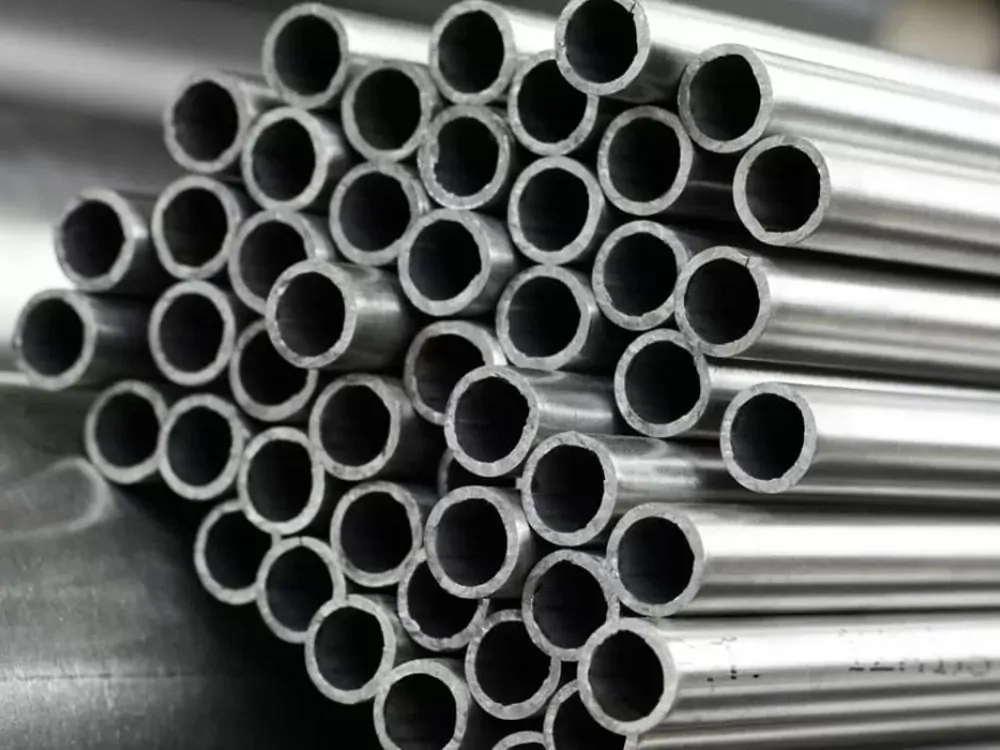
Inconel 600 Pipes, also known as Alloy 600 or Nickelvac 600, are popular in the industry due to their excellent resistance to corrosion and high temperatures. Oil and gas equipment face a lot of harsh things. Pipes sit in zones where temperatures spike unexpectedly, fluids collect all kinds of corrosive impurities, and pressure doesn’t always play by the rules. Under conditions like these, ordinary alloys tend to give up much earlier than they should. That’s one reason many engineers, almost by instinct now, turn to Inconel 600 pipes when reliability becomes non-negotiable.
Each year, energy companies take on challenges like digging deeper underground, drilling into harder rock, and updating refineries that weren’t designed for today’s needs. As these operations scale up, the materials that keep them running must quietly evolve too. Some metals work fine in gentle environments until hydrogen sulfide or chloride arrives. Then their weaknesses show up surprisingly fast.
That is when Inconel 600 pipes come into the picture. The alloy has been around for decades, but it has started to gain importance recently. Its ability to handle oxidation, carburization, and corrosive chemicals makes it useful across various sections of the industry. And in the following sections, we’ll walk through how those strengths translate into day-to-day applications.
Why Inconel 600 Matters in Oil & Gas Operations
Picture a sour gas well operating at high temperature. Or a cracking furnace that’s been running for months without a break. In situations like these, metals deal with a barrage of stress (some chemical, some mechanical, some thermal). A single failure can halt production or, worse, compromise safety.
One of the reasons Inconel 600 handles this chaos so well is its nickel-chromium structure. This composition gives it stability at temperatures that warp or soften many steels. Neither does it expand aggressively during high temperatures, nor does it lose its strength when exposed to corrosive hydrocarbon by-products. Over time, this stability leads to fewer shutdowns and reduces stress about sudden weak spots developing in the system.
Key Features of Inconel 600 Pipes
The alloy has plenty of technical characteristics, but these 4 matter most to oil and gas professionals:
High-temperature strength
It holds its shape even after long exposure to heat, and that makes it useful for reformer systems, furnace components, and pipework that always seems to run hotter than expected.
Oxidation and corrosion resistance
Sulfur-bearing gases and carburising atmospheres eat through many metals quickly. Inconel 600 lasts considerably longer.
Toughness in chloride environments
Chlorides cause cracking in several stainless steels, particularly offshore. Inconel 600 handles that challenge far better.
Wide temperature performance
Some parts of the plant run freezing cold, others extremely hot. The alloy adapts without brittleness or unexpected deformation.
This mix of strengths explains why the material shows up repeatedly across upstream, midstream, and downstream activities.
Major Applications of Inconel 600 Pipes in Oil & Gas
Heat Exchangers and Furnace Components
Certain units (reformers, cracking furnaces, and heavy-duty exchangers) spend their entire lives surrounded by heat. In many cases, the temperatures fluctuate rapidly as load conditions change. Inconel 600 handles these swings without thinning or flaking, which helps refineries stick to their planned maintenance schedules instead of reacting to sudden failures.
Chemical Processing and Sour Gas Handling
Inconel 600 performs reliably in Hydrogen Sulphide and does not degrade quickly when exposed to acidic or chlorinated media. Other metals, however, tend to corrode faster with exposure to such acids. Materials that look strong on paper often deteriorate in these conditions. This is why Alloy 600 appears in separators, reaction piping, and similar critical components.
Downhole and Offshore Drilling Systems
Offshore work is much tougher because the equipment has to deal with saltwater, high pressure, and constant movement from waves and vibrations. Components made from weaker materials can crack or fatigue early. Inconel 600 provides a buffer against those risks, especially in drill tools, casings, and secondary systems where unexpected failure would be costly and difficult to access for repairs.
Additional Uses in Refineries and Petrochemical Plants
The alloy’s usefulness isn’t limited to drilling zones or wellheads. It also shows up across several refinery and LNG applications:
Boiler and superheater tubes
Steam temperatures can become severe, and Inconel 600 prevents many of the fatigue problems that appear in standard steels.
Condensers and desalination equipment
Where seawater is involved, corrosion becomes a daily enemy. The alloy’s chloride resistance gives it an advantage in these systems.
Cryogenic and LNG lines
Equipment handling extremely cold fluids can’t afford embrittlement. Inconel 600 stays ductile even when temperatures plunge.
Benefits of Using Inconel 600 in Oil & Gas Applications
There are mainly 3 benefits of using Alloy 60 in Oil & Gas Applications.
- Extended lifespan – facilities don’t have to replace or repair components as often.
- Improved operational safety – a pipe that doesn’t crack or corrode is simply safer to work around.
- Better resistance to chemical attack – sour hydrocarbons, steam mixtures, and acidic fluids do far less damage over time.
Conclusion
Inconel 600 pipes offer that level of durability, whether the environment involves intense heat, corrosive gas streams, or long cycles of pressure fluctuations. Their performance helps facilities maintain throughput and avoid the kinds of shutdowns that disrupt entire supply chains.
For companies looking for trusted Inconel 600 pipes suppliers, Special Metals has built its reputation over more than twenty years. Our company manufactures and stocks high-quality nickel alloy pipes, tubes, fittings, and even custom-built components for challenging applications. Choosing the right alloy now always pays off later, especially in an industry that rarely offers second chances.