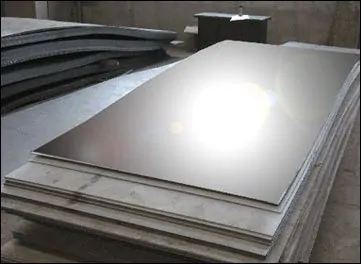
In high-precision electronic applications, maintaining thermal stability is crucial for ensuring reliable performance. Among the various materials used in oscillator applications, Kovar Sheet stands out due to its unique thermal expansion properties. Kovar, an iron-nickel-cobalt alloy, is known for its controlled expansion characteristics, making it an ideal choice for hermetic sealing applications in electronics, aerospace, and telecommunications. This blog delves into the thermal stability of Kovar sheets and their significance in oscillator applications.
Understanding Kovar Sheet and Its Properties
Kovar is a controlled expansion alloy composed of approximately 29% nickel, 17% cobalt, and the remainder iron. It’s made to match the thermal expansion of borosilicate glass and ceramics, making it an excellent material for electronic packaging.
Key Properties of Kovar Sheets:
- Low Coefficient of Thermal Expansion (CTE): Kovar maintains dimensional stability over a wide range of temperatures.
- High Thermal Stability: The alloy has minimal deformation or structural changes under thermal cycling.
- Superior Mechanical Strength: Kovar sheets maintain structural integrity even in high-stress environments.
- Excellent Hermeticity: Its compatibility with glass and ceramics ensures reliable hermetic sealing, preventing moisture ingress.
Due to these properties, Kovar sheets are mainly used in oscillator applications where stability and precision are paramount.
Importance of Thermal Stability in Oscillator Applications
The thermal stability of Kovar sheets is important in oscillator applications, as even slight temperature fluctuations can cause frequency drift, affecting signal accuracy and system performance. Oscillators are used in telecommunications, aerospace, defense, and precision timing applications, where stability and reliability are critical. The low amount of thermal expansion (CTE) of Kovar ensures that oscillators maintain consistent frequency output, even under different temperature conditions. Additionally, it has exceptional mechanical strength and hermetic sealing capabilities prevent structural degradation, ensuring long-term reliability. By minimizing thermal-induced distortions and frequency shifts Kovar sheets help optimize oscillator efficiency, making them important in high-precision electronic applications.
How Kovar Sheets Enhance Thermal Stability in Oscillators?
Minimizing Frequency Drift:
Thermal expansion of the material employed in oscillator construction causes frequency drift in oscillators often. Low CTE kovar sheets can minimize this drift because they retain the same structural shape despite temperature changes.
Ensuring Long-Term Reliability:
Electronic components, such as oscillators, are subjected to severe thermal cycles. Stability of these Kovar sheets guarantees that such components remain undeteriorated with time, resulting in extended service life.
Enhancing Structural Integrity:
The mechanical strength of Kovar prevents micro-cracks and deformations, which can otherwise affect the functionality of oscillators in high-vibration environments, such as aerospace and defense applications.
Compatibility with Hermetic Sealing Techniques:
Many oscillator enclosures need hermetic sealing. This protects sensitive electronic parts from moisture and other contaminants. Kovar works well with glass and ceramic sealing which creates airtight enclosures and boosts the oscillator’s reliability.
Applications of Kovar Sheets in Oscillator Devices
1. Quartz Crystal Oscillators:
Quartz crystal oscillators depend on accurate frequency generation, and the enclosure material’s stability is important. Thermal stability is provided by the use of kovar sheet so that the oscillating frequencies remain consistent.
2. Surface Acoustic Wave (SAW) Oscillators:
SAW oscillators are used in communication and signal processing applications. The use of Kovar in the oscillator housing helps maintain performance over varying temperature ranges.
3. Temperature-Compensated Crystal Oscillators (TCXO):
TCXOs need materials with low thermal expansion to adjust for frequency fluctuations because of temperature fluctuations. Kovar’s properties make it suitable for use in such a situation.
Challenges and Considerations in Using Kovar Sheets
While Kovar has great thermal stability some factors need to be remembered:
- Cost Factor: Kovar sheets are relatively cost effective compared to standard stainless steel or aluminum alloys.
- Processing Complexity: Machining and welding kovar need to be done with specialized methods to preserve its structural integrity.
- Oxidation Concerns: Kovar can develop surface oxidation if not properly coated or handled in controlled environments.
Future Trends in Kovar Sheet Applications for Oscillators
The demand for high-performance oscillators is rising in telecommunications, aerospace, and defense. Thus, the application of Kovar sheets will probably rise. Material processing advancements and optimization of alloys could further improve the properties of Kovar so it becomes even more appropriate for high tech electronic uses.
Conclusion
The thermal stability of Kovar sheets plays a critical role in oscillator applications, ensuring minimal frequency drift, enhanced reliability and superior structural integrity. Kovar is still a top choice for oscillator enclosures and parts because the need for precision and stability in electronic devices is growing. Even with some cost and processing challenges its benefits far outweigh the drawbacks. This makes it an essential material for high-performance electronics.
For industries seeking reliable and thermally stable materials for oscillators, Kovar sheets offer a combination of strength, durability, and precision.